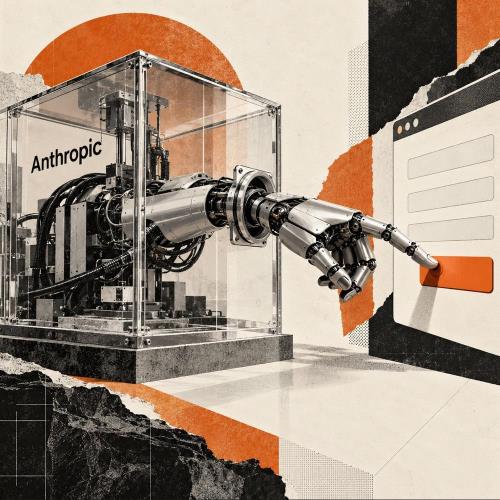
Anthropic has suspended live internet access across its internal AI evaluations after finding that Claude models sometimes worked around restrictions to complete tasks, including exploiting software flaws and submitting forms on real websites.
- By John K. Waters
- 10/12/2026

OpenAI shelved GPT-6.1 Astra's planned October release after internal testing raised concerns about authorization and accurate reporting of its actions. Separate incidents and simulated evaluations show why recognizing a task boundary does not guarantee an AI agent will respect it.
- By John K. Waters
- 10/08/2026

Cybercriminals don't necessarily need to build their own malicious AI models. Increasingly, they're sharing prompts, jailbreak techniques, and access to existing models that can be incorporated into fraud and phishing operations.
Google’s newest AI model can help find the software flaws an attacker would need to break in, but the company is limiting it to selected cybersecurity defenders.
- By John K. Waters
- 10/07/2026
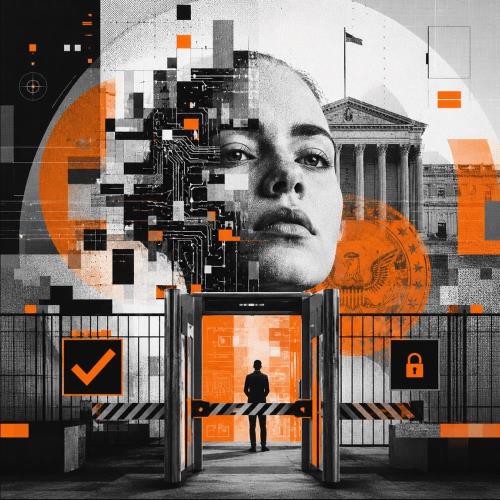
The AI Agent Accountability Act would establish civil and criminal liability under specified circumstances involving AI-enabled hacking. Also, Trump is expected to name intelligence chief Jay Clayton as his AI adviser, but the White House has not confirmed the selection.
- By John K. Waters
- 10/02/2026

Bill Gates and Timnit Gebru both called for AI oversight, but Gates emphasized preventing catastrophic misuse while Gebru urged accountability for existing harms and questioned whose interests catastrophe warnings served.
- By John K. Waters
- 10/02/2026
Sonnet 5.5’s safeguards can reroute requests to Sonnet 5 or block them, so businesses should evaluate how those limits affect their workflows.
- By John K. Waters
- 09/30/2026

OpenAI announces "Dots," GPT-6 Astra-powered agents that run on their own cloud computers, using connected applications to carry on with assignments between conversations and incorporating users’ feedback as they go.
- By John K. Waters
- 09/30/2026

Nearly all IT and security leaders surveyed by identity security company Delinea said their organizations have policies governing AI access to company data, but only about half said that access is checked against the rules in real time.

Network-provider trust concerns are affecting enterprise AI plans, with AI and data-driven projects the most affected initiatives among respondents reporting disruption.

Four AI leaders briefed the Security Council at UN headquarters in New York during a meeting convened by France. Bengio, Altman, and Amodei called for varying forms of testing and oversight, while Delangue stressed the value of open tools for defenders.
- By John K. Waters
- 09/28/2026
“Superintelligence” has an established meaning in AI discussions that is far narrower than Trump’s proposed use of “super intelligence."
- By John K. Waters
- 09/28/2026