
Veteran enterprise developer Mark Perry explains how Claude Code is changing his .NET development workflow, from understanding legacy business logic and handling multi-repository projects to prompting for better results, controlling scope and reviewing agentic changes.

Microsoft's Jocelynn Hartwig explains why enterprise architects should first ask whether a problem needs an agent at all, and how autonomy, orchestration, human oversight and production complexity should shape agentic AI design.
- By Pure AI Editors
- 09/03/2026
AI may help employees create more content faster, but increased output, rising expectations, and the need for careful verification can prevent those gains from producing meaningful business value.
- By Pure AI Editors
- 09/01/2026

Samantha St-Louis explains why scaling agentic AI requires more than successful pilots, outlining how reusable architecture, shared context, governance and business-outcome discipline can keep enterprise AI from turning into costly sprawl.

For business professionals, AI hallucinations can transform a helpful tool into a potential liability.
- By Pure AI Editors
- 08/03/2026

AI lacks human intent but delivers functional creative value to businesses -- the key is treating it as a collaborative tool that enhances human creativity rather than replacing it.
- By Pure AI Editors
- 07/02/2026
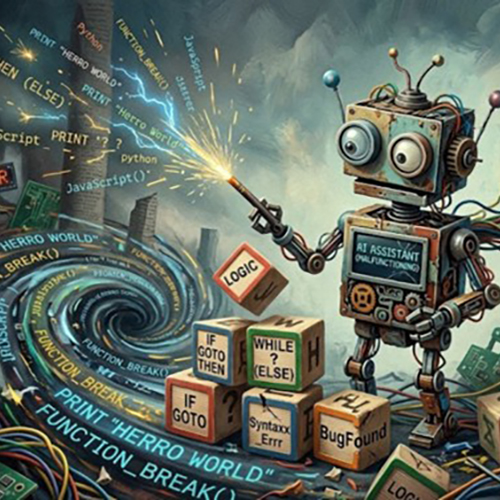
AI coding assistants are rapidly moving from helper tools to autonomous development agents, boosting software productivity while accelerating disruption in technology hiring -- especially for routine engineering roles.
- By Pure AI Editors
- 06/01/2026

Explainable AI helps organizations improve trust, governance, and accountability by making model decisions understandable in high-stakes business scenarios.
- By Pure AI Editors
- 05/01/2026

Data -- not sophisticated algorithms -- is the true driver of AI competitive advantage, as companies with proprietary, high-quality datasets build compounding feedback loops that are far harder to replicate than any model architecture.
- By Pure AI Editors
- 04/01/2026
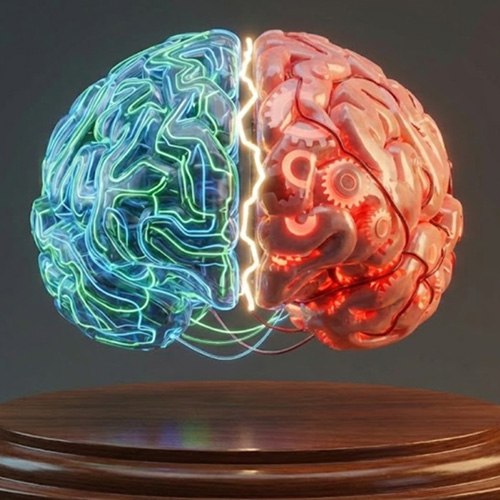
The concept of ethical AI concentrates enormous decision-making power in the hands of fewer than 70 people worldwide -- raising serious concerns about cultural bias, corporate virtue signaling, and ethics committees dominated by developers with increasingly outdated technical skills.
- By Pure AI Editors
- 03/19/2026